

Dementia and conditions such as Alzheimer’s disease are widely recognized as some of the most challenging health issues affecting both individuals and their families. While there is currently no cure for most forms of dementia, early awareness and understanding can make a meaningful difference in how the condition is managed and experienced over time.
Dementia is not a single disease but a general term used to describe a group of symptoms that affect memory, thinking, and daily functioning. According to organizations like the Alzheimer’s Association, millions of people in the United States are living with dementia, and the number continues to grow as the population ages. Despite its prevalence, it is important to understand that dementia is not a normal part of aging.
One of the most difficult aspects of dementia is how gradually it develops. Early symptoms are often subtle and can easily be mistaken for everyday forgetfulness, stress, or fatigue. However, recognizing these early warning signs can help individuals seek medical advice sooner and access support systems that improve quality of life.
One of the most common early indicators is memory loss that begins to interfere with daily activities. This goes beyond occasionally forgetting names or misplacing items. It may involve repeatedly asking the same questions, struggling to recall recent conversations, or relying heavily on reminders and assistance from others.
Another early sign involves difficulty with planning and problem-solving. Tasks that were once routine—such as managing finances, following recipes, or organizing schedules—can become increasingly challenging. These changes are linked to how dementia affects the brain’s executive functions.
Confusion about time or place is also frequently observed. Individuals may lose track of dates, forget where they are, or feel disoriented even in familiar surroundings. This type of confusion can be unsettling and may increase anxiety.
Some people experience changes in visual and spatial awareness. They may have trouble judging distances, reading, or recognizing objects and faces. These difficulties can affect everyday activities such as driving or navigating environments safely.
Language and communication can also be affected. A person might struggle to find the right words, repeat themselves, or stop mid-sentence without knowing how to continue. These issues often begin subtly but can become more noticeable over time.
Misplacing items in unusual locations is another potential sign. While everyone occasionally loses things, dementia-related memory issues may involve placing objects in inappropriate places and being unable to retrace steps to find them. In some cases, individuals may become suspicious or accuse others of taking their belongings.
Changes in judgment and decision-making are also important to note. This might include poor financial decisions, neglect of personal hygiene, or difficulty recognizing unsafe situations. These shifts can impact independence and overall well-being.
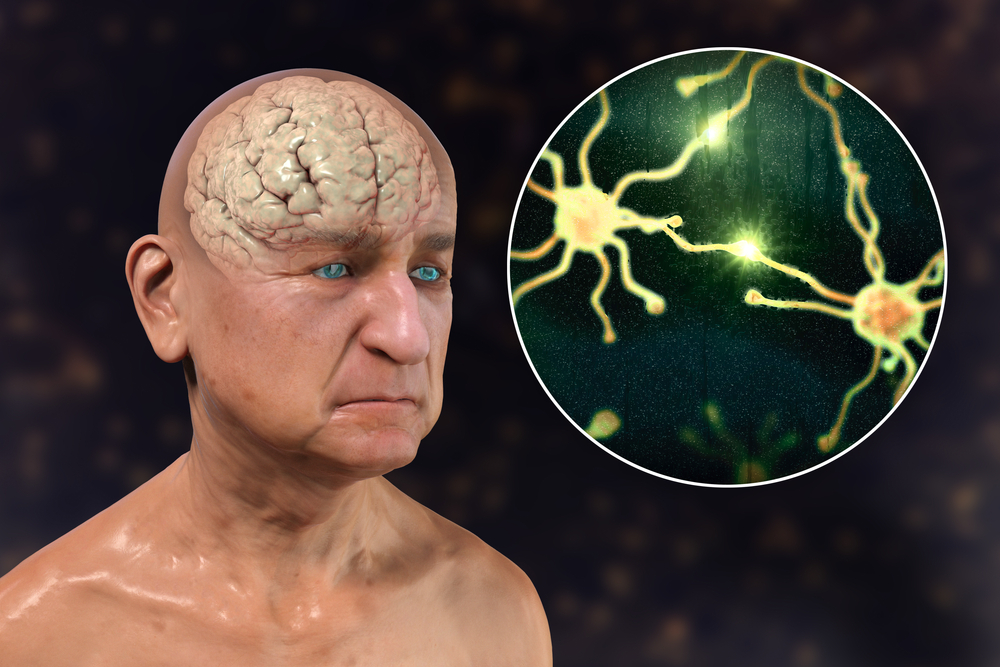
Social withdrawal is another early behavior change. People may begin to avoid hobbies, conversations, or social activities they once enjoyed. This can sometimes be mistaken for depression, but it may also reflect frustration or awareness of cognitive difficulties.
Mood and personality changes are common as well. Increased anxiety, irritability, confusion, or suspicion can develop. According to the Mayo Clinic, dementia can significantly affect emotional regulation and behavior.
Additionally, individuals may find it harder to follow conversations or keep track of thoughts, especially in group settings. This can make communication tiring and lead to further withdrawal from social interaction.
Recognizing these signs early does not mean a definitive diagnosis, but it does provide an opportunity to seek professional evaluation. Early detection allows for better management of symptoms, access to treatments that may slow progression, and the ability to plan for the future while the individual can still participate in decisions.
Although there is no guaranteed way to prevent dementia, research suggests that certain lifestyle habits may support brain health and potentially reduce risk.
Avoiding smoking is one important step, as it has been linked to increased risk of cognitive decline. Maintaining adequate levels of vitamin B12 through a balanced diet can also support nerve function and brain health.
Regular physical activity—such as walking for at least 30 minutes a day—has been shown to benefit both physical and cognitive well-being. Similarly, ensuring sufficient vitamin D through sunlight exposure or supplements may play a role in supporting brain function.
Moderate coffee consumption has been associated in some studies with potential protective effects, likely due to its antioxidant content. However, balance remains key.
Protecting the head from injury is another important factor. Repeated or severe head trauma has been linked to a higher risk of developing dementia later in life, making safety measures like helmets essential during certain activities.
Limiting alcohol intake is also recommended, as excessive consumption can negatively affect brain health over time.
Keeping the brain active through reading, puzzles, or learning new skills may help maintain cognitive function. Mental stimulation encourages the brain to form new connections, which can support memory and thinking abilities.
Finally, prioritizing rest and managing stress are essential. Chronic stress and poor sleep can impact memory and concentration, making it important to maintain healthy daily routines.
While these habits cannot guarantee prevention, they contribute to overall brain health and resilience. They also empower individuals to take proactive steps toward maintaining cognitive function as they age.
Living with dementia or Alzheimer’s disease can be emotionally and physically demanding, not only for those diagnosed but also for their families. However, continued research and increased awareness offer hope for improved treatments and support systems in the future.
Understanding the early signs and adopting supportive lifestyle habits can make a meaningful difference, helping individuals maintain independence and quality of life for as long as possible.

