
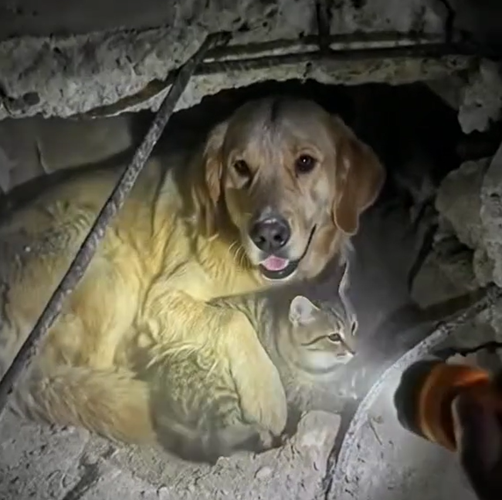
In many natural disaster scenarios around the world, narratives often emerge that emphasize the emotional and instinctive connections between animals, particularly when they are placed in unpredictable and high-stress environments such as earthquakes. These accounts, whether based on real observations or illustrative storytelling, tend to focus on how animals respond to sudden environmental changes and how existing bonds influence their behavior during moments of crisis.
A commonly shared type of narrative begins in a quiet and stable setting, often a small residential environment where animals coexist peacefully. In such a setting, daily life follows a familiar rhythm, with animals resting in comfortable spaces and responding to routine cues such as light, sound, and human presence. The atmosphere is typically calm, reinforcing a sense of safety and predictability within the environment.
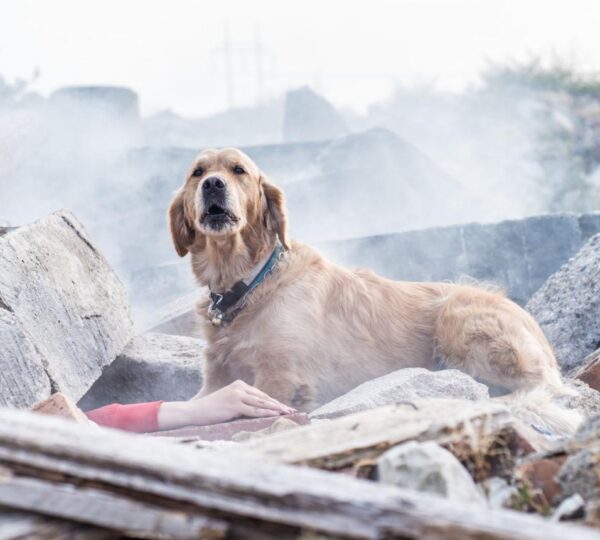
Without warning, this calm is disrupted by the onset of an earthquake. The ground begins to shake, and the structure of the home is subjected to sudden and forceful movement. Furniture shifts, objects fall, and the stability of the environment is rapidly compromised. For animals, which rely heavily on sensory perception rather than abstract understanding, this sudden change creates immediate confusion and distress.
During an earthquake, animals respond primarily through instinct. They react to vibrations, unfamiliar sounds, and abrupt motion, often attempting to find stability or shelter. As the intensity of the shaking increases, structural damage may occur, leading to partial or complete collapse of the surrounding environment. Visibility can be reduced by dust and debris, and movement becomes increasingly difficult.
Once the earthquake subsides, the environment is often drastically altered. What was once a secure indoor space may become a fragmented area filled with debris. The absence of familiar structures and the presence of silence following the event can contribute to a sense of disorientation. In such conditions, animals that survive the initial impact may find themselves trapped or restricted in movement.
In these narratives, one animal is often described as being injured or immobilized beneath fallen materials. This situation highlights the vulnerability that can arise when an animal is unable to escape on its own. Despite these limitations, animals frequently remain alert, relying on their senses to detect any signs of nearby activity, such as faint sounds or vibrations.
A second animal, often a dog, is then introduced into the scenario. Its behavior is typically guided by familiarity and prior social bonding rather than any understanding of the disaster itself. The dog may approach the trapped animal, remaining nearby and maintaining close physical proximity. This presence is often interpreted as a form of reassurance, as animals can respond positively to the presence of familiar companions.
From a behavioral perspective, such interactions are consistent with known patterns of social bonding in domesticated animals. Dogs and cats that have lived together in shared environments can develop strong associations, which may influence their responses during stressful events. Remaining close to a familiar companion can reduce stress and provide a sense of stability, even in uncertain conditions.
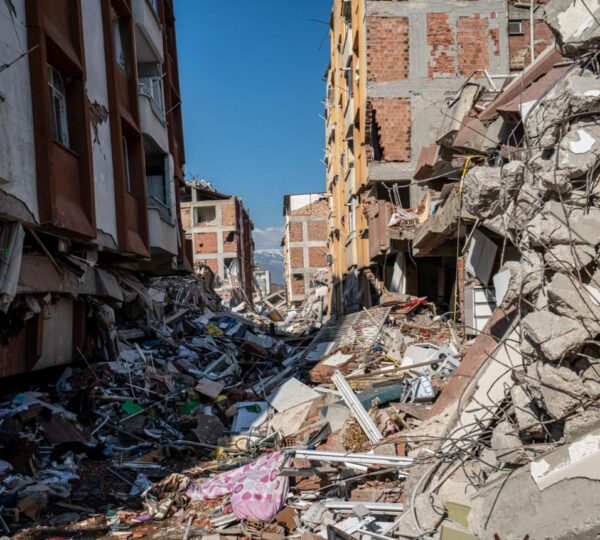
As time passes in these scenarios, the environment beneath the debris may become quieter and colder, with limited external stimuli. Survival in such conditions depends on conserving energy and maintaining awareness of any changes in the surroundings. Animals may remain still, responding only when necessary, which can be an adaptive behavior in confined spaces.
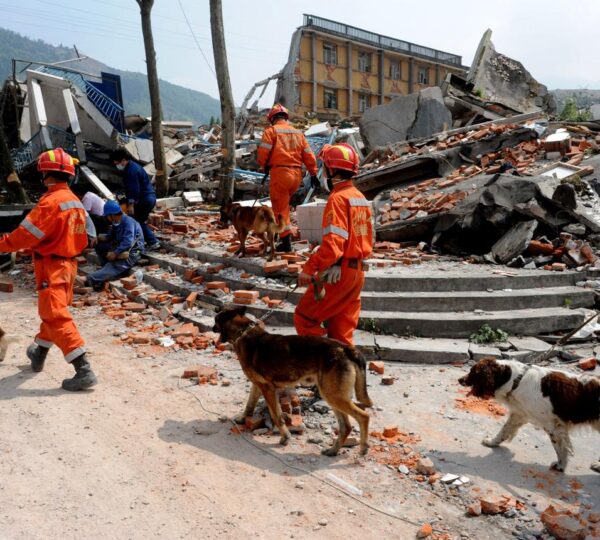
Rescue operations following earthquakes are typically conducted by trained emergency teams. These teams work methodically, removing debris in a controlled manner to avoid further structural instability. The process requires careful coordination, as rescuers must balance the urgency of locating survivors with the need to maintain safety.
As rescuers approach areas where animals may be trapped, changes in sound and vibration can alert those animals to their presence. Increased activity, such as shifting debris or voices, may prompt a response. Gradually, as layers of debris are removed, light can enter previously dark spaces, signaling progress in the rescue effort.
When animals are located, rescue teams prioritize immediate assessment. This includes checking for visible injuries, signs of dehydration, and overall responsiveness. Animals are then carefully extracted and transported to appropriate facilities where they can receive further care.

Veterinary professionals play an essential role in post-rescue recovery. Treatment often includes addressing physical injuries, preventing infection, and managing stress-related conditions. In addition to medical care, providing a stable and controlled environment is important for recovery.
In many cases, animals that have experienced trauma benefit from continued companionship, particularly if they were previously bonded. Familiar presence can support emotional stability, encourage normal behaviors such as eating, and contribute to a smoother recovery process. Shelters and care facilities often take this into account when managing rescued animals.
Over time, with consistent care, animals may show gradual improvement. Physical healing is often accompanied by behavioral changes, such as increased movement, responsiveness, and engagement with their surroundings. Caregivers typically monitor these developments closely to ensure that recovery is progressing appropriately.
Stories based on these types of scenarios are often widely shared because they reflect themes of resilience, companionship, and survival. However, it is important to recognize that many such narratives are simplified or generalized for illustrative purposes. They may not represent a specific documented event but rather draw on known aspects of animal behavior to convey a broader message.
In the study of animal behavior, it is well established that domesticated animals can form strong social bonds. These bonds influence how they respond to stress and unfamiliar situations. While animals do not interpret disasters in the same way humans do, their reactions are shaped by instinct, conditioning, and prior experiences.
As recovery continues, animals typically return to more familiar patterns of behavior once their environment stabilizes. Regular feeding, rest, and gentle interaction contribute to this process. Over time, signs of stress may diminish, and normal activity levels may resume.

The bond between animals that have shared a stressful experience may remain evident even after recovery. This connection can be observed through proximity, mutual tolerance, and coordinated behavior. Such interactions are often interpreted as a form of ongoing reassurance.
In summary, narratives involving animals during natural disasters are often used to illustrate the importance of companionship and adaptive behavior in challenging situations. While not always tied to a specific verified incident, they reflect real behavioral tendencies observed in domesticated animals. These stories serve as a reminder of the need for responsible care and attention to animal welfare, particularly in environments affected by sudden and disruptive events.

