
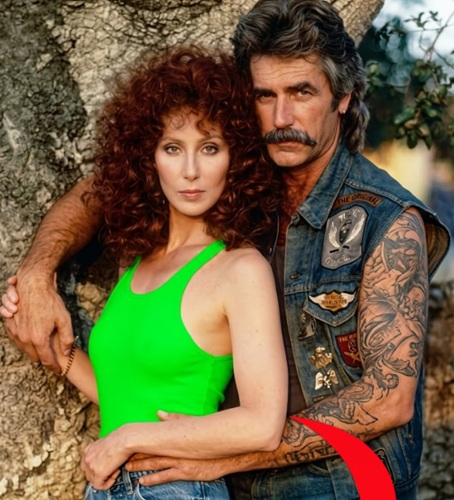
A Timeless Human Story: Revisiting Mask (1985)
Released in 1985, Mask remains one of the most emotionally powerful and socially meaningful dramas of its time. Directed by Peter Bogdanovich and written by Anna Hamilton Phelan, the film presents a deeply moving narrative grounded in a real-life story that continues to resonate with audiences decades later. Through its thoughtful storytelling and compelling performances, Mask explores themes of identity, acceptance, resilience, and unconditional love in a way that feels both intimate and universal.
The True Story Behind the Film
At the heart of Mask lies the extraordinary life of Roy L. Dennis, often referred to as Rocky. He was born with a rare and severe genetic condition known as Craniodiaphyseal dysplasia. This disorder causes abnormal bone growth, particularly in the skull, leading to pronounced facial differences and a range of serious health complications.
Medical experts initially predicted that Rocky would not survive beyond early childhood. However, defying expectations, he lived until the age of sixteen. During his life, he demonstrated remarkable intelligence, emotional depth, and resilience. Rather than being defined by his condition, Rocky became known for his optimism, curiosity, and determination to live a full and meaningful life.
Powerful Performances That Define the Film
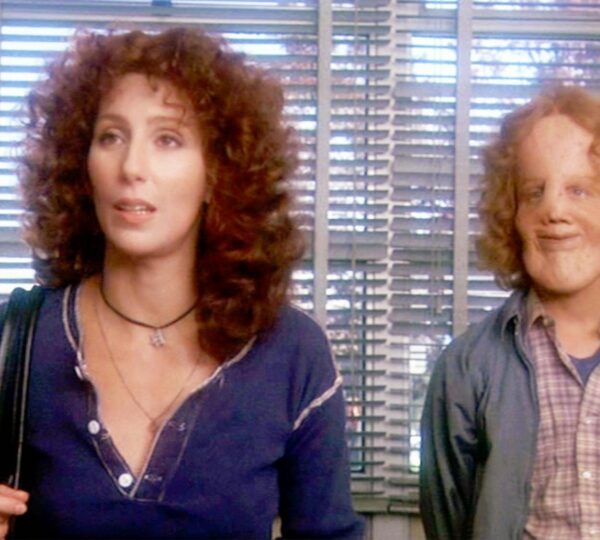
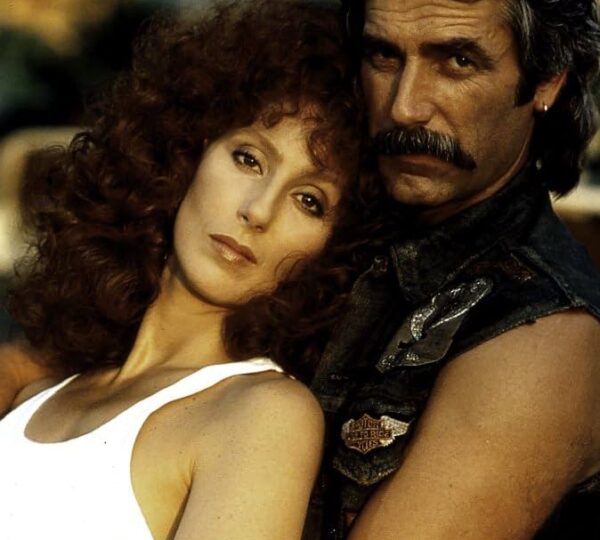
One of the film’s greatest strengths is its exceptional cast. Cher delivers a standout performance as Florence “Rusty” Dennis, Rocky’s mother. Rusty is portrayed as a fiercely independent and unconventional woman who refuses to let societal judgment dictate her son’s future. Her parenting style is bold and unorthodox, but it is rooted in deep love and an unwavering commitment to giving Rocky every possible opportunity.
Cher’s portrayal earned her widespread acclaim, including the Best Actress award at the Cannes Film Festival in 1985. This recognition marked a turning point in her acting career, establishing her as a serious dramatic performer.
Equally transformative is Eric Stoltz in the role of Rocky. Through extensive prosthetic makeup and a deeply empathetic performance, Stoltz captures the complexity of Rocky’s character—his humor, intelligence, vulnerability, and strength. His portrayal avoids stereotypes and instead presents Rocky as a fully realized individual.
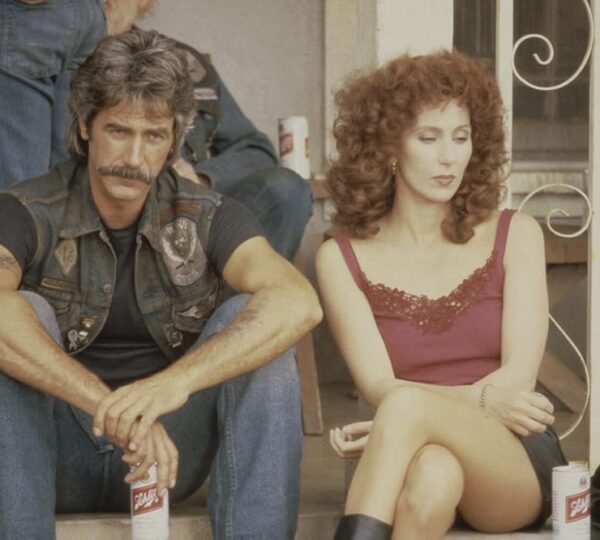
Supporting performances also contribute significantly to the film’s emotional depth. Sam Elliott appears as Gar, a steady and compassionate presence in Rusty and Rocky’s lives, while Laura Dern plays Diana, a visually impaired young woman who forms a sincere and meaningful friendship with Rocky.

A Groundbreaking Approach to Representation
One of the most important aspects of Mask is how it addresses visible differences and societal perceptions. The film does not shy away from depicting the challenges Rocky faces, including prejudice, curiosity, and occasional cruelty. At the same time, it highlights moments of kindness, empathy, and genuine human connection.
Rocky’s experiences in school and social environments reflect real-world issues faced by individuals with visible medical conditions. However, the film avoids portraying him as a victim. Instead, he is shown as an active participant in his own life—someone who seeks education, builds friendships, and develops a strong sense of self.
The film’s message is clear: a person’s worth is not defined by appearance, but by character, intellect, and emotional depth.
The Role of Family and Unconditional Love
The relationship between Rocky and his mother is the emotional core of the film. Rusty’s parenting philosophy is centered on openness and inclusion. Rather than shielding Rocky from the world, she encourages him to engage with it fully.
Her decision to enroll Rocky in public school is particularly significant. It reflects a belief in equal opportunity and the importance of allowing individuals to experience life without unnecessary limitations. While her methods are sometimes controversial, her dedication to her son’s well-being and independence is undeniable.
Rusty is portrayed as a complex character—strong yet flawed, unconventional yet deeply loving. This nuanced depiction adds authenticity to the story and makes her relationship with Rocky all the more compelling.
Technical Excellence and Authenticity
The film’s realism is enhanced by its attention to detail, particularly in its makeup design. The prosthetic work used to portray Rocky’s condition was widely praised and earned the Academy Award for Best Makeup. This achievement underscores the production’s commitment to authenticity and respectful representation.
Additionally, the film was shot in locations that reflect the real environment in which Rocky lived, further grounding the story in reality. This approach contributes to the film’s emotional impact, making it feel genuine and relatable.
Music and Creative Vision
The soundtrack of Mask has an interesting history. Initially, the filmmakers intended to feature music by Bruce Springsteen, whose songs Rocky reportedly admired. However, due to licensing issues at the time of release, the theatrical version included music by Bob Seger instead.
Years later, a director’s cut restored Springsteen’s music, aligning more closely with the original creative vision and adding another layer of authenticity to the film.
Critical Reception and Lasting Impact
Upon its release, Mask received widespread critical acclaim. Reviewers praised its performances, emotional depth, and sensitive handling of complex subject matter. In addition to Cher’s award at Cannes, both she and Eric Stoltz received nominations at the Golden Globe Awards, further highlighting the film’s impact.
While certain elements of the story were adapted or dramatized for cinematic purposes, the film remains faithful to the emotional truth of Rocky’s life. Some scenes were simplified or fictionalized to enhance narrative clarity, but these changes do not detract from the film’s authenticity or integrity.
Themes That Continue to Resonate
At its core, Mask is not just a story about a medical condition—it is a reflection on what it means to be human. The film explores:
- The importance of acceptance and empathy
- The impact of societal standards of beauty
- The strength of family bonds
- The resilience of the human spirit
By focusing on Rocky’s intelligence, humor, and emotional insight, the film shifts attention away from physical differences and toward the qualities that truly define a person.
A Film That Stands the Test of Time
Decades after its release, Mask continues to be regarded as a significant and meaningful work in film history. Its themes remain relevant, particularly in ongoing discussions about inclusion, representation, and social awareness.
The film’s enduring appeal lies in its ability to connect with audiences on a deeply emotional level. It tells a specific story rooted in real-life experiences, yet its message is universal.
Conclusion
Mask stands as a powerful testament to resilience, compassion, and the transformative power of love. Through its compelling narrative and unforgettable performances, it reminds us that every individual has a unique story worth telling.
Ultimately, the film encourages viewers to look beyond appearances and recognize the humanity in others. It is a story that continues to inspire, educate, and move audiences—proving that even in the face of adversity, dignity and hope can prevail.

