
The Dashboard Symbol Most Drivers Ignore: What the Car With a Circular Arrow Really Means
A Small Icon With a Major Role in Cabin Comfort
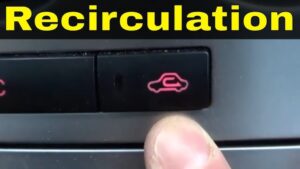
Many drivers notice a small but often overlooked symbol on their vehicle’s dashboard showing a car with a circular arrow inside it. While it may appear simple or even unimportant at first glance, this icon represents one of the key functions of a vehicle’s climate control system.
This symbol indicates the air recirculation system, a feature designed to control how air moves in and out of the cabin. Even though it is represented by a small button or icon, its impact on comfort, air quality, and climate efficiency can be significant when used correctly.
Most drivers interact with this feature regularly without fully understanding how it works or when it should be activated. In reality, it plays an important role in adapting the cabin environment to different weather conditions, traffic situations, and driving needs.
Fresh Air Mode and How It Works
To understand air recirculation, it is first necessary to understand what happens when the system is turned off. In this default state, the vehicle operates in what is commonly referred to as fresh air mode.
In fresh air mode, the car continuously pulls air from outside the vehicle. This incoming air is then filtered and adjusted by the climate control system, which either heats or cools it depending on the temperature settings inside the cabin.
Once processed, the air is released into the interior space, helping maintain a steady flow of outside air. This process ensures that the cabin does not become sealed off from the environment and continues to receive fresh air circulation.
However, because the system must constantly adjust the temperature of incoming external air, it may require more effort from the vehicle’s climate system, especially when outside temperatures are extreme. The continuous adjustment process is necessary but can be less efficient under certain conditions.
How Air Recirculation Changes the System
When the air recirculation feature is activated, the system switches to a different method of operation. Instead of pulling in outside air, a valve closes off the external intake, and the system begins reusing the air already present inside the cabin.
This creates a closed-loop system where the same air is continuously circulated, filtered, and adjusted. Rather than constantly processing new outside air, the system works with the air already inside the vehicle.
Because the air is reused, the climate control system can reach the desired temperature more quickly. This is especially noticeable when there is a strong difference between the outside temperature and the temperature set inside the cabin.
The process allows the system to repeatedly cool or heat the same air, which can make temperature adjustments feel faster and more direct for passengers inside the vehicle.
This change in airflow is subtle from the driver’s perspective, but it significantly alters how the cabin environment is managed behind the scenes.

Benefits of Recirculation in Hot Weather
One of the most common and effective uses of air recirculation is during hot weather conditions. When a car has been parked in the sun, the interior temperature can rise significantly, making the cabin uncomfortable at first entry.
In these situations, activating recirculation helps the air conditioning system cool the interior more efficiently. Instead of continuously pulling in hot outside air, the system focuses on cooling the already-cooled air inside the cabin.
This process can help reduce the time needed to reach a comfortable temperature. As the system works with progressively cooler air, the cooling process becomes more efficient and consistent.
In addition to improving comfort, this method may also reduce strain on the climate control system in certain driving conditions. By limiting the need to constantly process hot external air, the system can operate in a more controlled cycle.
For drivers in regions with prolonged high temperatures, this function becomes especially useful in maintaining a comfortable interior environment during daily travel.
Protection From Traffic Pollution and Unpleasant Air
Air recirculation is also highly useful in environments where outside air quality is poor. This includes heavy traffic situations, tunnels, construction zones, or areas with dust and exhaust fumes.
When driving behind other vehicles, exhaust emissions can easily enter the cabin if fresh air mode is active. By switching to recirculation, the system reduces the amount of outside air entering the vehicle, helping limit exposure to smoke, pollutants, and unpleasant odors.
This can make driving in urban environments more comfortable, particularly during congestion where vehicles are closely packed together and air quality changes rapidly.
In enclosed or semi-enclosed spaces such as tunnels, the ability to temporarily isolate the cabin from external air sources becomes especially valuable. It helps maintain a more stable and controlled breathing environment inside the vehicle.
Support for Allergy Sensitivity and Air Quality Control
For individuals who experience allergies, the air recirculation feature can offer additional relief in certain situations. By limiting the intake of outside air, it reduces exposure to common airborne irritants such as pollen and dust.
This can be particularly helpful during seasonal changes when pollen levels are higher or when driving through areas with increased environmental particles.
However, the effectiveness of this function is closely connected to the condition of the vehicle’s cabin air filter. The filter plays a crucial role in trapping small particles before air circulates inside the cabin, whether in fresh air or recirculation mode.
When the filter is clean and functioning properly, it helps ensure that both incoming and recirculated air are properly filtered, contributing to a cleaner and more comfortable cabin environment overall.
Limitations of Continuous Use
Although air recirculation has clear benefits, it is not intended to be used continuously in all driving conditions. Extended use can lead to certain drawbacks that affect comfort and visibility.
In cold or humid environments, keeping recirculation active for too long may cause moisture to build up inside the vehicle. This accumulation of moisture can lead to fogging on the windows, which may reduce visibility while driving.
For this reason, drivers are generally encouraged to switch between fresh air and recirculation modes depending on weather conditions. Alternating between the two helps maintain a balanced cabin environment and reduces the risk of condensation forming on glass surfaces.
On longer journeys, continuous recirculation may also affect overall comfort inside the cabin. Because the same air is reused repeatedly, it can gradually feel less fresh over time.
This may contribute to a sense of stale air, which can affect comfort and alertness during extended periods of driving. Periodically switching back to fresh air mode helps refresh the cabin atmosphere and supports better long-distance driving comfort.
The Importance of Cabin Air Filter Maintenance
A key component in maintaining good air quality inside a vehicle is the cabin air filter. This filter is responsible for helping remove dust, particles, and other airborne elements from the air entering the cabin.
Manufacturers commonly recommend replacing the cabin air filter approximately every 12,000 to 15,000 miles. However, this interval can vary depending on driving conditions and how frequently the vehicle is used in polluted or dusty environments.
A clean filter supports proper airflow and ensures that both fresh air and recirculated air are effectively filtered before reaching passengers. When the filter becomes clogged or worn, overall air quality inside the vehicle can be reduced.
Maintaining this component is an important part of keeping the climate control system functioning efficiently and supporting a healthier cabin environment over time.
A Simple Button With a Meaningful Impact
Understanding the air recirculation symbol allows drivers to make more informed decisions about how they use their vehicle’s climate system. Although the icon itself is small, its function has a noticeable impact on comfort, efficiency, and air quality.
When used in the right conditions, it can help cool or heat the cabin more quickly, reduce exposure to external pollutants, and improve overall driving comfort. At the same time, knowing when not to use it is equally important for maintaining visibility and air freshness inside the vehicle.
Ultimately, this small dashboard feature represents a practical tool designed to adapt the driving environment to changing conditions. By understanding its purpose and applying it appropriately, drivers can create a more comfortable, controlled, and enjoyable experience inside their vehicle throughout the year.
