Dark Neck Patches May Signal Hidden Changes in Blood Sugar Regulation
What Many People Mistake for Ordinary Dirt
In many everyday situations, dark patches on the skin are often dismissed as nothing more than surface dirt or residue. People frequently attempt to scrub them away, switch soaps, or increase washing routines in an effort to restore normal skin appearance. In some cases, these changes are even assumed to be the result of poor hygiene.
However, not all darkened skin areas are related to external cleanliness. Certain patches that appear on the body, particularly on the back of the neck, may be linked to internal changes occurring beneath the skin. These changes can develop slowly and remain unnoticed for long periods of time.
One of the most commonly discussed conditions associated with this type of skin change is Acanthosis Nigricans. The condition is known for producing distinct darkened areas that can be easily confused with dirt or staining, even though they do not behave like surface debris at all.
Instead of fading with washing, these patches tend to remain stable and may become more noticeable over time. Their persistence often leads individuals to seek explanations only after the condition has been present for an extended period.
Understanding Acanthosis Nigricans and Its Appearance
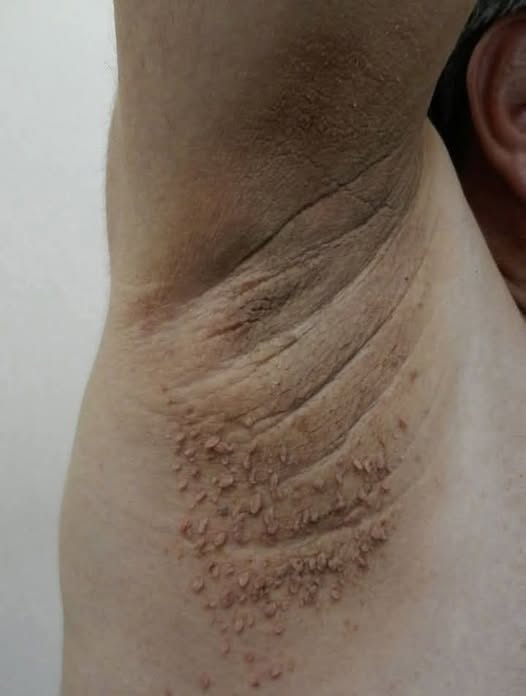
Acanthosis Nigricans is identified by the presence of dark, thickened, and sometimes velvety-textured patches of skin. These changes are most commonly seen in areas where the skin naturally folds or creases.
The back of the neck is one of the most frequently affected regions. Other common locations include under the arms, within the groin area, and in various skin folds where friction naturally occurs during movement.
Unlike simple surface discoloration, these patches are not removed through ordinary washing or scrubbing. Their texture can feel slightly raised or thicker than surrounding skin, which often contributes to confusion when first noticed.
The appearance of these areas may vary in intensity. In some cases, the discoloration is mild and barely noticeable. In others, it becomes more pronounced and visually distinct, prompting concern when it begins to spread or darken further.
Although the visual impact is often what draws attention first, the condition itself is typically linked to internal metabolic changes rather than external skin contamination or damage.
Internal Body Changes Linked to Skin Signals
Skin can sometimes reflect changes happening inside the body. In the case of Acanthosis Nigricans, the underlying connection is often associated with how the body manages insulin.
Insulin plays a central role in regulating blood sugar levels. When the body’s cells do not respond properly to insulin, a condition known as insulin resistance can develop. This means that glucose regulation becomes less efficient over time.
As insulin resistance progresses, the body may produce higher levels of insulin in an attempt to maintain balance. These elevated levels are associated with visible changes in certain skin cells, which can lead to the development of darkened and thickened patches.
Over time, these skin changes may appear before any formal diagnosis related to blood sugar regulation is made. In some situations, they can serve as an early visible signal that metabolic processes are no longer functioning optimally.
Because these changes often occur gradually, individuals may not immediately connect the skin appearance with internal health shifts, especially when there are no other obvious symptoms present.
Health Risks Associated With Insulin Resistance
Insulin resistance is not a condition limited to skin changes alone. It is connected to a broader range of health concerns that can develop if blood sugar regulation continues to decline over time.
Among the potential long-term risks are prediabetes and Type 2 diabetes. Both conditions involve difficulty maintaining stable blood sugar levels and can progress gradually if not identified early.
Metabolic syndrome is another related concern. This term refers to a combination of conditions that may include elevated blood sugar, changes in cholesterol levels, and other metabolic irregularities that increase overall health risk.
Obesity-related health complications may also be associated with insulin resistance. These complications can affect multiple systems in the body and often develop alongside ongoing metabolic imbalance.
The presence of skin changes such as Acanthosis Nigricans does not confirm any single condition on its own, but it can serve as a visible indicator that further evaluation of metabolic health may be necessary.
Children and Teenagers Can Be Affected
Skin changes linked to insulin resistance are not limited to adults. Children and teenagers can also develop Acanthosis Nigricans, making awareness particularly important for families.
In younger individuals, the appearance of darkened skin patches may raise concern when accompanied by changes in body weight or other physical development factors. Overweight children showing these skin changes may face a higher likelihood of developing Type 2 diabetes later in life.
Because growth and development naturally involve many physical changes, early skin signs can sometimes be overlooked or misinterpreted. However, persistent or worsening discoloration in characteristic areas can be an important signal worth monitoring.
In children, these skin changes may appear suddenly or develop gradually. They may become darker over time and often feel thicker or more textured compared to surrounding skin.
When such changes do not improve with regular washing, they are often considered significant enough to justify further medical evaluation to understand underlying metabolic health.
Conditions That Can Be Mistaken for Acanthosis Nigricans
Not all darkened patches on the skin are linked to insulin resistance or metabolic concerns. Several other skin conditions can appear similar in color and texture, leading to confusion.
One such condition is Terra Firma-Forme Dermatosis, often abbreviated as TFFD. This condition can create brown or black patches that closely resemble dirt trapped on the skin’s surface.
Unlike Acanthosis Nigricans, these patches are not related to internal metabolic changes. In many cases, they can be removed or significantly reduced through gentle cleaning using isopropyl alcohol at a 70% concentration.
This distinction highlights the importance of proper evaluation rather than relying on visual assumptions. Skin appearance alone may not provide enough information to determine the underlying cause of discoloration.
Self-diagnosis based on images or personal interpretation can therefore lead to misunderstanding. Professional assessment remains essential in distinguishing between harmless skin conditions and those linked to internal health factors.
Additional Symptoms That May Appear Alongside Skin Changes
Darkened patches on the neck or other areas may sometimes occur alongside additional physical symptoms. These can provide further context regarding potential changes in blood sugar regulation.
Such symptoms may include increased thirst, more frequent urination, and persistent fatigue that does not improve with rest. Some individuals may also experience blurred vision or unexpected changes in body weight.
When these symptoms appear together, they may indicate that blood sugar levels are not being properly regulated. In such cases, further evaluation is often considered important to understand the underlying cause.
While each symptom on its own may have multiple explanations, their combined presence alongside visible skin changes can be a meaningful signal that the body is undergoing metabolic stress.
Approaches to Monitoring and Early Attention
When unusual dark patches are noticed on the skin, especially if they persist or change over time, early attention can play an important role in identifying potential underlying issues.
Common approaches include monitoring blood sugar levels and observing any changes in skin appearance over time. Maintaining balanced nutrition and regular physical activity can also support overall metabolic health.
Health screening for blood glucose levels is often used as an accessible method for assessing blood sugar regulation. These checks are widely available in many clinical and pharmacy settings.
Ongoing observation is also important. Changes in size, texture, or color of skin patches may provide additional information about whether the condition is stable or evolving.
The goal of early monitoring is not only to understand current health status but also to identify potential concerns before they develop into more serious conditions.
A Reminder About Skin as a Health Indicator
The presence of a dark patch on the neck or similar areas does not automatically indicate a specific disease. In many cases, it may have a harmless explanation unrelated to metabolic health.
However, because conditions such as Acanthosis Nigricans can sometimes reflect internal changes in blood sugar regulation, persistent skin differences should not be ignored.
The body often presents subtle signals before more noticeable symptoms appear. Skin changes can be one of those early indicators, providing an external reflection of internal processes.
When such changes persist, seeking further evaluation can provide clarity and help determine whether any underlying metabolic imbalance is present.
In this way, skin can act as an early point of awareness, highlighting the importance of paying attention to gradual physical changes rather than dismissing them as purely cosmetic concerns.
