Why Do Hives Appear on the Skin? Understanding Urticaria and Its Hidden Triggers
What Hives Are and How They Develop
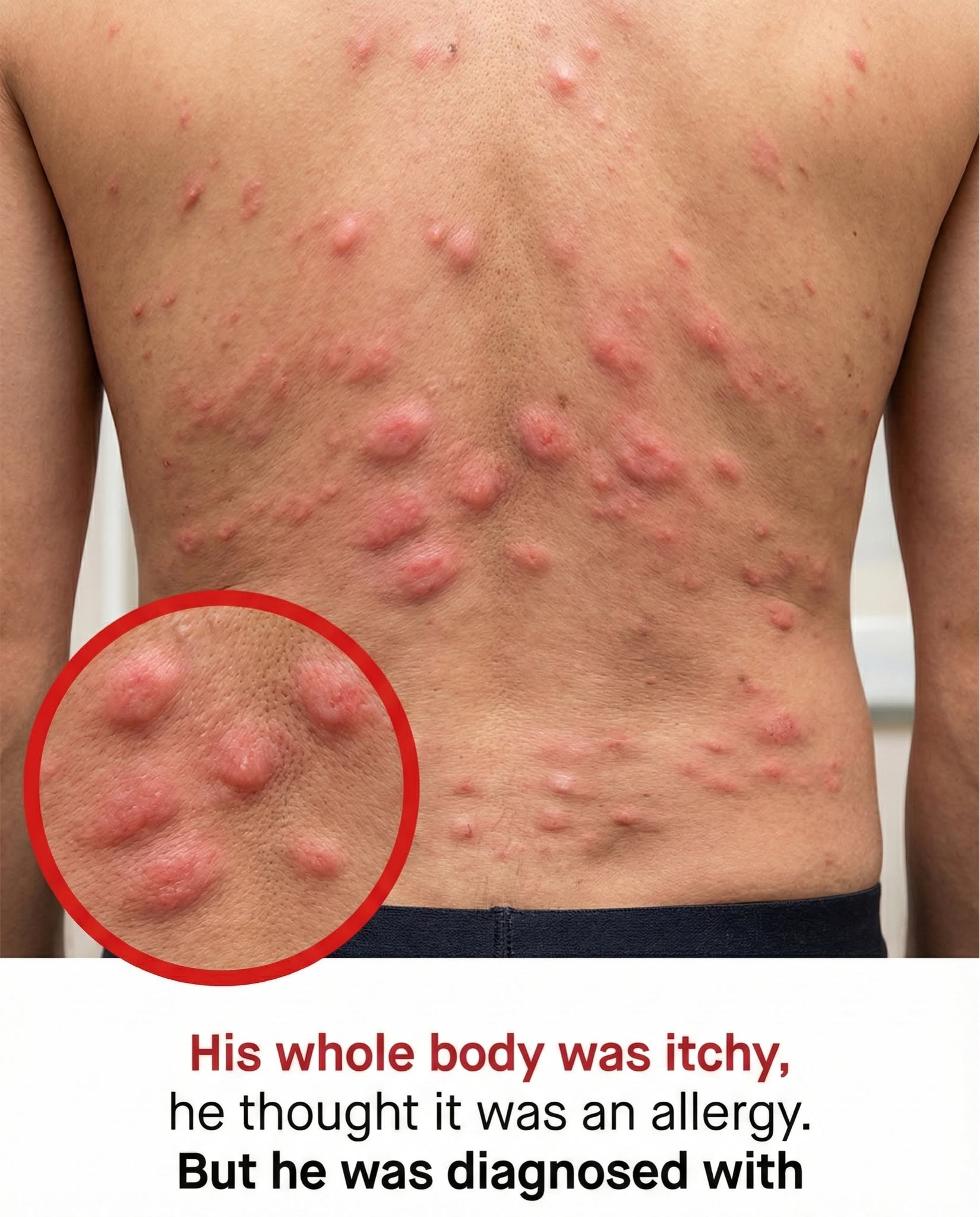
Hives, also known as urticaria, are raised, itchy welts that appear on the surface of the skin. They can develop suddenly and vary widely in size, shape, and intensity. In many cases, they appear as scattered patches, while in others they may form in larger clusters that cover noticeable areas of the body.
These skin reactions can feel uncomfortable or irritating, and in some situations they may also cause stinging or mild pain. For most people, hives are temporary and tend to resolve within a short period of time. However, their sudden appearance often causes concern, especially when the underlying trigger is not immediately clear.
Hives are commonly linked to allergic reactions, but they are not limited to allergies alone. They represent the skin’s response to internal or external factors that stimulate the body’s immune response, leading to visible changes on the skin’s surface.
How Hives Look on Different Skin Tones
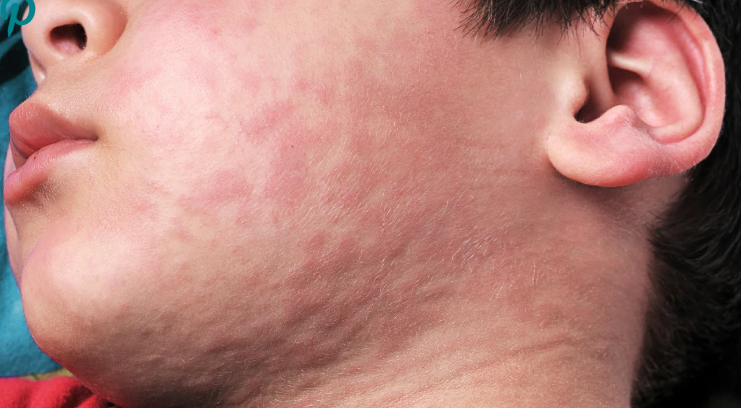
The appearance of hives can vary depending on skin tone, which sometimes makes them easier or harder to recognize. On lighter skin, hives often appear pink, red, or flesh-colored. These raised welts stand out clearly against the surrounding skin and are usually easy to identify.
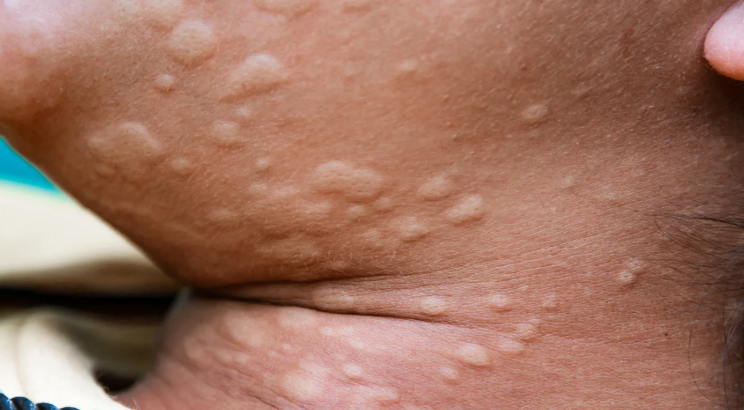
On brown or Black skin, hives may look different. They can appear closer to the natural skin tone, slightly lighter, or slightly darker than the surrounding area. This variation means that the raised texture of the skin is often more noticeable than color changes alone.
Regardless of skin tone, the defining characteristic of hives remains the same: raised, swollen areas that can change shape and location over time. These welts may appear suddenly and can also disappear just as quickly, sometimes shifting across different areas of the body.
What Causes Hives in the Body
Hives typically occur when the body reacts to something it perceives as a threat. During this process, the immune system releases histamines into the bloodstream. These natural chemicals are designed to help defend the body against infections and foreign substances, but they can also produce side effects in sensitive individuals.
When histamines are released in large amounts, they can cause itching, swelling, and the formation of raised welts on the skin. This reaction is what leads to the visible symptoms of hives. In many cases, the process begins quickly after exposure to a trigger, although the exact timing can vary from person to person.
Although allergic reactions are a common cause, hives can also appear without a clear allergy being involved. This makes them a complex skin condition with multiple possible origins, rather than a single predictable cause.
Common Allergic and Non-Allergic Triggers
Hives are often triggered by allergic reactions to everyday substances. Common allergens include pollen, certain foods, medications, animal dander, and insect bites. When the body encounters these substances, it may mistakenly identify them as harmful and respond by releasing histamines.
However, not all hives are caused by allergies. Several non-allergic factors can also contribute to their development. Stress is one possible trigger, as it can influence the body’s internal balance and immune response. Physical irritation from tight clothing may also lead to skin reactions in some individuals.
Other triggers include exercise, infections, and certain illnesses. Environmental conditions such as exposure to extreme heat or cold can also play a role. In some cases, excessive sweating may contribute to irritation that leads to hives. Because so many different factors can be involved, the exact cause of hives is not always easy to determine.
For many people, identifying the specific trigger requires careful observation over time. In some cases, no clear cause is ever found, and the condition may still come and go without explanation.
Who Is More Likely to Develop Hives
Some individuals are more prone to developing hives than others. People with known allergies are generally at higher risk, especially if they are frequently exposed to substances that trigger allergic reactions. These exposures can include foods, pollen, or other environmental allergens.
Medication use can also increase susceptibility in certain cases, particularly when the body reacts to a specific drug. Infections and illnesses may further raise the likelihood of experiencing hives, as the immune system becomes more active during these periods.
Even individuals without known allergies may develop hives if they encounter unfamiliar or unexpected triggers. This unpredictability is one of the reasons hives are considered a common but sometimes confusing skin condition.
Recognizing the Symptoms of Chronic Hives
Hives can appear in both short-term (acute) and long-term (chronic) forms. Acute hives usually resolve quickly, while chronic hives persist for more than six weeks and may continue to recur over time. Chronic cases often require closer attention due to their ongoing nature.
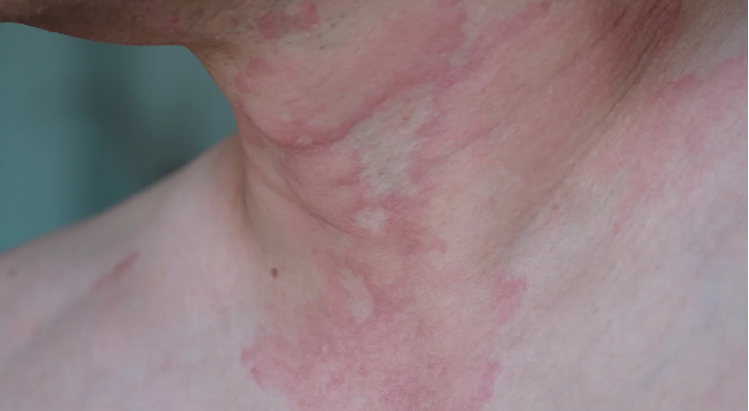
Symptoms of chronic hives include groups of raised welts that can appear anywhere on the body. These welts may vary in color depending on skin tone and can shift in size and shape as the condition progresses. They may appear suddenly, disappear, and then reappear in different areas.
Itching is one of the most common symptoms and can range from mild to intense. In some cases, individuals may also experience angioedema, which is swelling around sensitive areas such as the eyes, cheeks, or lips. This swelling can add to discomfort and may appear alongside the welts.
Chronic hives may also be influenced by external factors such as heat, stress, or exercise. These triggers can cause flare-ups that make symptoms more noticeable and persistent. The unpredictable nature of these reactions often makes chronic hives particularly challenging to manage.
How Hives Are Diagnosed
Diagnosing hives usually begins with a physical examination. A healthcare professional typically evaluates the appearance of the skin and identifies the characteristic raised welts associated with the condition. In many cases, this visual assessment is enough to confirm the diagnosis.
If an allergic reaction is suspected, additional testing may be recommended. Blood tests or skin tests can help identify potential triggers and provide more information about what may be causing the reaction. These tests are especially useful when symptoms are recurring or long-lasting.
The goal of diagnosis is not only to confirm the presence of hives but also to understand whether an underlying cause can be identified. However, in many situations, the exact trigger may remain unknown even after evaluation.
Treatment and Relief Options
Managing hives often depends on the severity of the symptoms and whether an underlying cause has been identified. In mild cases, especially those not linked to serious allergic reactions, symptoms may improve with simple home-based care and avoidance of known irritants.
One common approach involves the use of antihistamines such as diphenhydramine (Benadryl) or cetirizine (Zyrtec). These medications help reduce the effects of histamines in the body, which can lessen itching and swelling.
Additional comfort measures can also help manage symptoms. Avoiding scratching is important, as it can further irritate the skin. Exposure to hot water should also be limited, since heat may worsen symptoms in some individuals. Instead, a cool or lukewarm bath may provide relief.
Some people may find soothing support from baths that include colloidal oatmeal or baking soda. These methods are often used to calm irritated skin and reduce discomfort during flare-ups. The goal of these approaches is to ease symptoms while the body recovers.
When to Seek Emergency Medical Attention
While many cases of hives are not life-threatening, there are situations where immediate medical care is necessary. Severe hives that last for several days or continue to worsen should be evaluated by a healthcare professional.
More urgent attention is required when hives are part of a severe allergic reaction. In such cases, symptoms may escalate beyond skin irritation and affect breathing or other vital functions. Warning signs include dizziness, difficulty breathing, and swelling of the tongue, lips, mouth, or throat.
These symptoms may indicate a serious reaction that requires emergency care. Prompt attention is essential in such situations to ensure safety and prevent complications.
Understanding Hives and Their Impact
Hives are a common skin condition that can range from mild and temporary to persistent and chronic. While they are often linked to allergies, they can also develop due to a wide range of physical, environmental, and emotional triggers.
The unpredictable nature of hives makes them difficult to fully anticipate, and their appearance can vary greatly from person to person. Despite this variability, most cases are manageable, especially when triggers are identified and symptoms are treated appropriately.
Understanding how hives form, what causes them, and when to seek help can make it easier to respond effectively when they occur. Although they can be uncomfortable and sometimes concerning, most cases resolve without long-term effects, especially with proper care and attention.
