
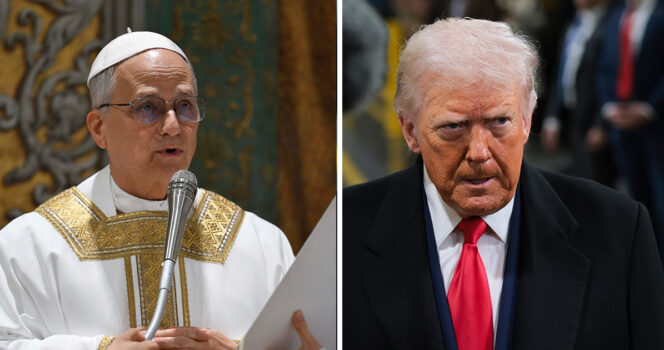
Pope Leo Responds to Criticism While Emphasizing Peace and Dialogue
Recent public remarks have highlighted a difference in tone and perspective between Donald Trump and Pope Leo XIV, drawing attention to how global figures approach conflict, leadership, and public communication.
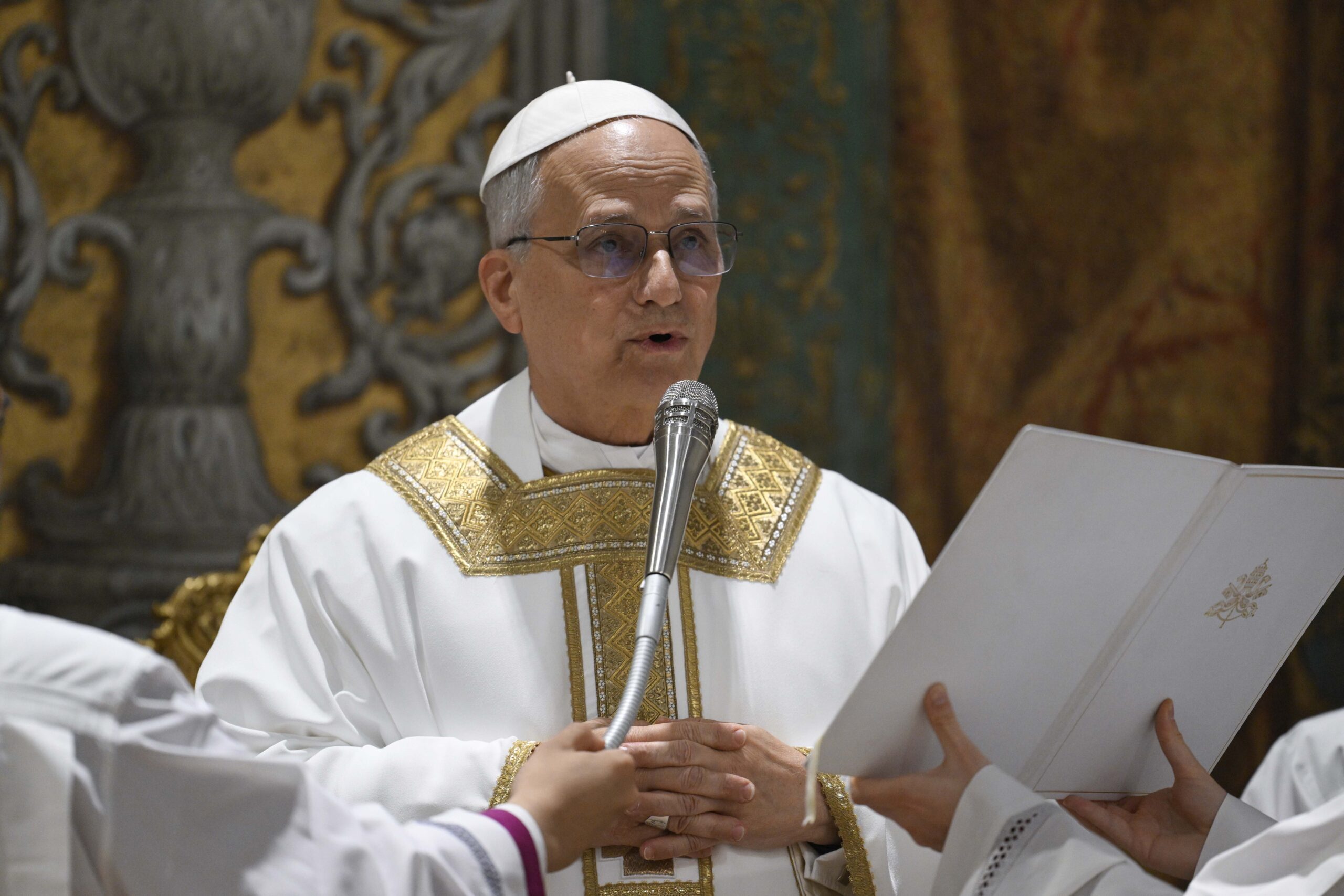
The situation developed after Pope Leo addressed ongoing international tensions, including conflict involving Iran. In his remarks, he emphasized concerns about escalation, the human cost of war, and the need for restraint. His message focused on broader humanitarian principles rather than specific political alignments.
Speaking in a formal address, the Pope called for a renewed commitment to peace and responsibility. He warned against what he described as an increasing tendency toward aggressive displays of power and urged leaders to reconsider the consequences of continued conflict.
He also highlighted the importance of protecting civilians, noting that vulnerable populations—such as children, the elderly, and the sick—are often the most affected in times of war. His statements reflected long-standing positions within the Catholic Church regarding the value of human life and the importance of peaceful resolution.
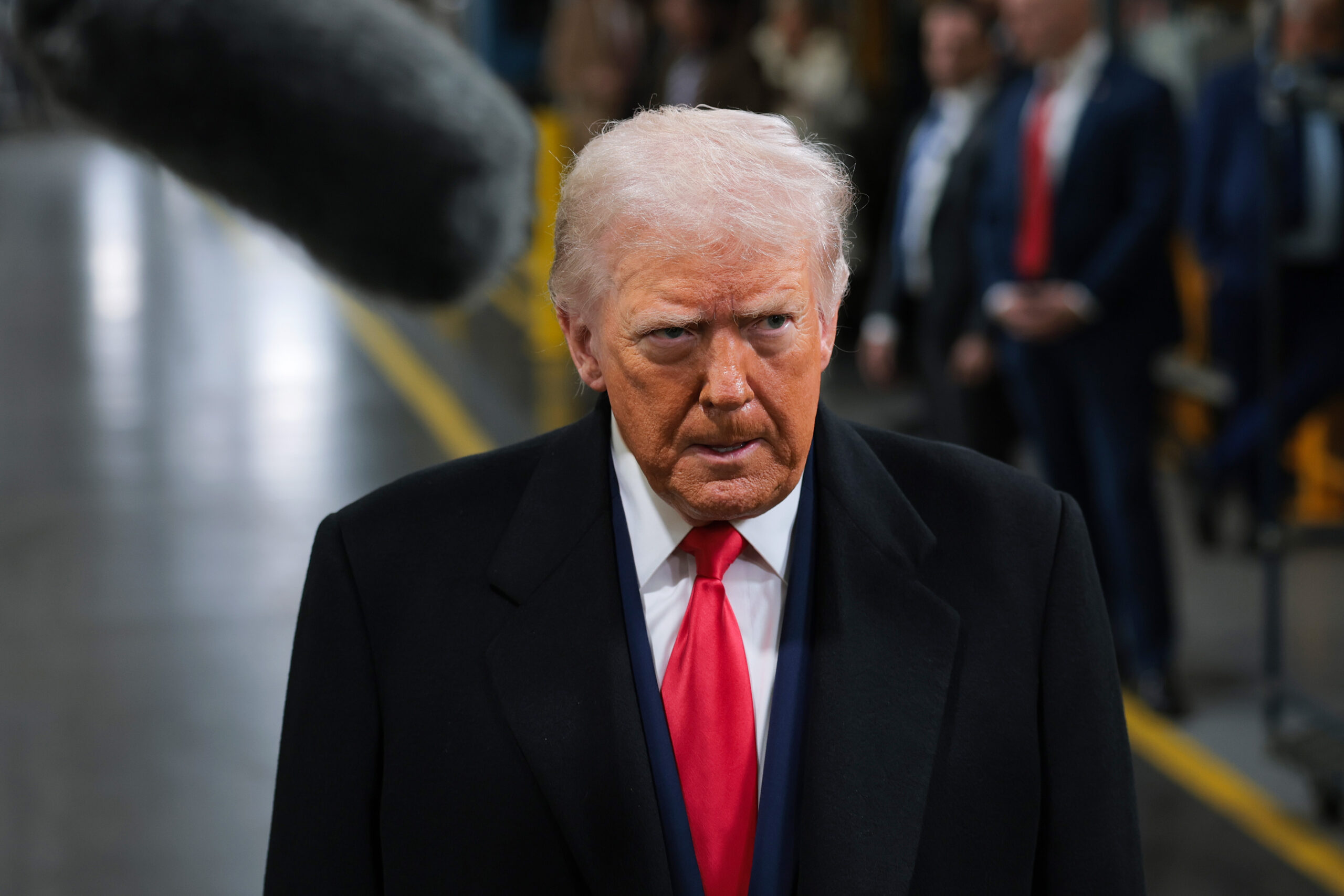
These comments were followed by a response from Donald Trump, who shared his views through public statements. In his remarks, Trump expressed disagreement with the Pope’s perspective, particularly on issues related to foreign policy and national security. He also raised broader concerns about leadership, global threats, and the role of institutions during past crises.
The exchange reflects a broader contrast in approach. While Trump’s response focused on political and security considerations, Pope Leo’s position remained centered on ethical and humanitarian concerns. This difference is not unusual, as political leaders and religious figures often speak from distinct frameworks and priorities.
Following the criticism, Pope Leo addressed the situation in a measured way. He stated that he did not intend to engage in a direct debate. Instead, he reiterated his commitment to promoting peace, dialogue, and cooperation between nations.
He emphasized that his role is not political in nature, but rather rooted in spiritual guidance and moral reflection. According to his remarks, the message he aims to convey is one of reconciliation and understanding, rather than confrontation.
The Pope also pointed to the importance of multilateral engagement, encouraging countries to work together in seeking solutions to complex global challenges. He suggested that long-term stability is more likely to come from cooperation than from escalation.
At the core of his response was a consistent message: the need to reduce suffering and avoid further loss of life. He stressed that many people around the world continue to face the consequences of conflict, and that leaders have a responsibility to consider those impacts carefully.
Rather than addressing specific criticisms in detail, he chose to reaffirm his broader principles. His comments reflected a desire to keep the focus on peace-building efforts and humanitarian concerns, rather than personal or political disagreements.
Observers note that such exchanges are not uncommon when global issues intersect with different forms of leadership. Political figures often prioritize national interests and strategic considerations, while religious leaders may focus more on ethical guidance and universal values.
The discussion also highlights how public communication can shape perceptions of leadership. Differences in tone, language, and priorities can influence how messages are received by different audiences.
In this case, the situation has drawn attention not only because of the individuals involved, but also because of the broader themes it represents. Questions about conflict, responsibility, and the role of leadership remain central to global discourse.
Pope Leo’s response suggests a deliberate effort to maintain a consistent message, regardless of criticism. By avoiding direct confrontation, he reinforced his emphasis on dialogue and mutual understanding.
At the same time, Trump’s reaction reflects a more direct and assertive communication style, particularly when responding to criticism or opposing viewpoints. This contrast illustrates how different leadership approaches can shape public exchanges on sensitive topics.
Ultimately, the situation underscores the complexity of addressing global issues in a highly visible and interconnected world. Leaders from different backgrounds often bring distinct perspectives, and their interactions can reflect broader differences in values and priorities.
While opinions on the exchange may vary, the core issues raised—conflict, peace, and responsibility—remain relevant beyond any single statement or response.

