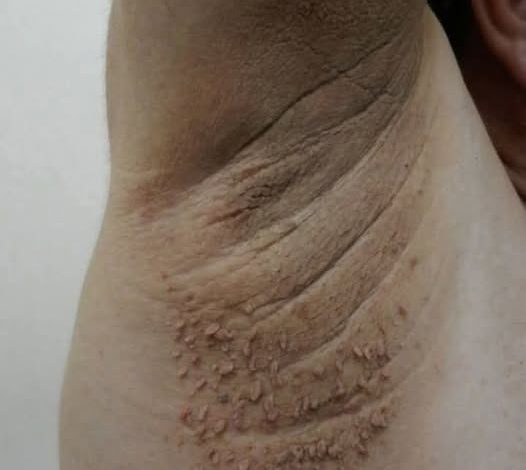
Doctors Say This Common Dark Patch on the Neck Could Be an Early Warning Sign of a Hidden Health Issue
Many People Mistake It for Dirt
For many individuals, noticing a dark patch on the back of the neck seems like a minor cosmetic issue. Some assume it is dirt, while others believe it results from inadequate washing or poor hygiene.
The common reaction is often to scrub the area harder, try different soaps, or use various skin products in hopes of removing the discoloration.
However, medical professionals say these dark patches are not always caused by surface dirt or skin buildup.
In some cases, they may be signaling an underlying health condition that deserves attention.
What appears to be a simple skin issue can sometimes be one of the earliest visible signs that the body is experiencing difficulty regulating blood sugar levels.
Because the patches often develop gradually and are painless, many people overlook them for years.
A Skin Condition That Often Goes Unrecognized
Recent discussions online gained attention after a physician shared images of a skin condition frequently mistaken for dirt.
The condition is known as Acanthosis Nigricans.
It typically appears as darkened areas of skin that feel thicker than surrounding tissue and may have a velvety texture.
These patches commonly develop in areas where skin folds naturally occur.
The most frequent locations include the back of the neck, beneath the arms, the groin region, and other skin creases.
Unlike ordinary dirt, the discoloration generally remains even after repeated washing.
People often become frustrated because no amount of scrubbing seems to improve the appearance.
That is because the condition originates beneath the skin rather than on its surface.
What Causes Acanthosis Nigricans?
Healthcare professionals frequently associate Acanthosis Nigricans with insulin resistance.
Insulin is a hormone that helps move sugar from the bloodstream into cells where it can be used for energy.
When the body’s cells become less responsive to insulin, the pancreas may produce increasing amounts of the hormone in an attempt to compensate.
This condition is known as insulin resistance.
Over time, insulin resistance can make it more difficult for the body to maintain healthy blood sugar levels.
As these changes occur internally, the skin may begin to show visible signs.
The development of dark, thickened patches is one of the ways the body can signal that something is changing metabolically.
For this reason, many doctors view the condition as an important clue rather than merely a cosmetic concern.
The Connection to Blood Sugar Problems
One reason medical professionals pay close attention to Acanthosis Nigricans is its association with several metabolic conditions.
Individuals with the condition may face an increased risk of developing prediabetes or Type 2 diabetes.
It has also been linked to metabolic syndrome and various health complications associated with obesity.
In some cases, the skin changes may appear years before diabetes is formally diagnosed.
This means the condition can serve as an early warning sign that prompts further medical evaluation.
Identifying potential blood sugar issues before symptoms become severe allows people to take steps that may improve long-term health outcomes.
That is why physicians encourage individuals not to dismiss unusual skin changes without investigation.
Why Parents Should Pay Attention
Although many people associate insulin resistance and diabetes with adulthood, children and teenagers can also develop warning signs.
Experts note that Acanthosis Nigricans may appear in younger individuals, particularly those who are overweight.
When dark patches develop during childhood or adolescence, healthcare providers may consider them a signal that closer monitoring is necessary.
These skin changes do not automatically mean a child has diabetes.
However, they can indicate an increased risk that warrants further assessment.
Parents are encouraged to observe any unusual discoloration that appears suddenly or gradually becomes darker over time.
Skin that feels thick, velvety, or resistant to normal washing may deserve professional evaluation.
Early identification of potential metabolic concerns can provide opportunities for intervention before more serious health issues develop.
Not Every Dark Patch Means Diabetes
While Acanthosis Nigricans is an important condition to recognize, doctors emphasize that not all dark skin patches indicate blood sugar problems.
Several other conditions can produce a similar appearance.
One example is Terra Firma-Forme Dermatosis, often abbreviated as TFFD.
This harmless skin condition can create brown or black patches that closely resemble dirt.
Because the appearance can be so similar, distinguishing between conditions based solely on photographs or online information can be difficult.
Unlike Acanthosis Nigricans, Terra Firma-Forme Dermatosis often responds to gentle cleaning with 70% isopropyl alcohol.
The discoloration may fade or disappear when treated in this way.
That difference illustrates why self-diagnosis can sometimes be misleading.
Only a qualified healthcare professional can determine the actual cause of the skin changes.
Additional Symptoms That May Require Attention
Dark patches on the neck do not always occur alone.
In some situations, they may appear alongside other symptoms that suggest blood sugar regulation problems.
Healthcare providers recommend paying attention to signs such as increased thirst, frequent urination, unexplained fatigue, blurred vision, or unexpected changes in body weight.
When these symptoms occur together with unusual skin discoloration, further medical evaluation may be especially important.
These signs can sometimes indicate that blood sugar levels are outside a healthy range and require testing.
Prompt assessment may help identify issues before they progress further.
Ignoring symptoms can delay diagnosis and treatment, making long-term management more difficult.
What Healthcare Professionals Commonly Recommend
If unusual dark patches develop and persist, healthcare providers generally advise seeking medical guidance rather than relying on home remedies alone.
Evaluation often begins with a review of medical history and a physical examination.
Blood sugar testing may also be recommended to determine whether insulin resistance or diabetes-related concerns are present.
In addition to testing, maintaining healthy lifestyle habits is often encouraged.
Balanced nutrition, regular physical activity, and weight management can support overall metabolic health.
Monitoring changes in the skin may also help identify whether the condition is improving, remaining stable, or worsening over time.
Many pharmacies and healthcare clinics offer basic blood glucose screenings for individuals who have concerns about their risk.
These screenings can provide valuable information and help determine whether further evaluation is necessary.
Why Early Awareness Matters
One of the most important aspects of Acanthosis Nigricans is that it can draw attention to health issues before more serious symptoms develop.
Because the condition may appear years before diabetes is diagnosed, it provides an opportunity for earlier intervention.
Recognizing potential warning signs can encourage individuals to seek testing, make lifestyle adjustments, and discuss concerns with healthcare professionals.
Early action often leads to better outcomes than waiting until symptoms become more severe.
While a dark patch on the neck may seem insignificant at first, it can sometimes represent valuable information about what is happening inside the body.
Understanding that connection allows people to make informed decisions about their health.
The Bottom Line
A dark patch on the back of the neck is not always dirt, and it is not always a sign of diabetes.
However, because conditions such as Acanthosis Nigricans can be associated with insulin resistance and other metabolic concerns, the discoloration should not be automatically dismissed.
Persistent skin changes that do not improve with normal washing deserve attention.
Consulting a healthcare professional can help determine the cause and identify whether additional testing is needed.
In many cases, a simple medical evaluation can provide reassurance.
In others, it may uncover a health issue that benefits from early treatment and monitoring.
Sometimes the body provides visible clues long before more obvious symptoms appear.
Paying attention to those signals can be an important step toward protecting long-term health and well-being.
