
In high-performance environments such as aerospace research centers, infrastructure is designed with a strong focus on efficiency, functionality, and user experience. Every element within these facilities is carefully planned to support productivity, safety, and smooth daily operations. Even spaces that might seem routine, such as restrooms, are evaluated as part of a larger system that contributes to overall performance.
In these settings, designers and planners consider how facilities can reduce delays, improve accessibility, and accommodate large numbers of users working under structured schedules. The goal is to create environments where time is used effectively and where essential services support, rather than interrupt, workflow. As a result, even small design decisions can have a meaningful impact when applied across large-scale operations.
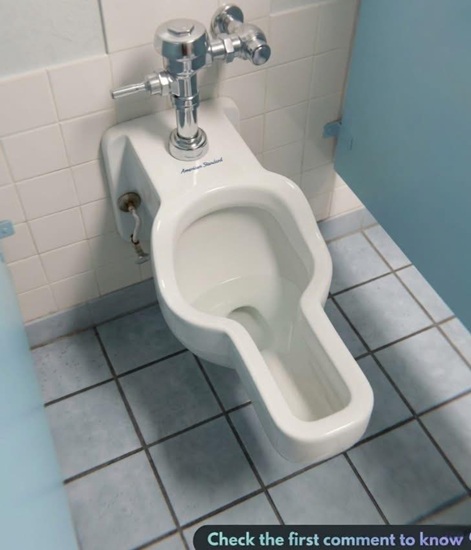
Within this broader context, modern sanitation design has explored a range of ideas aimed at improving usability and efficiency. One concept that has received attention in recent years is the development of alternative urinal designs intended for women. These designs are not typically presented as novelty features, but rather as part of ongoing research in ergonomic and functional sanitation systems.
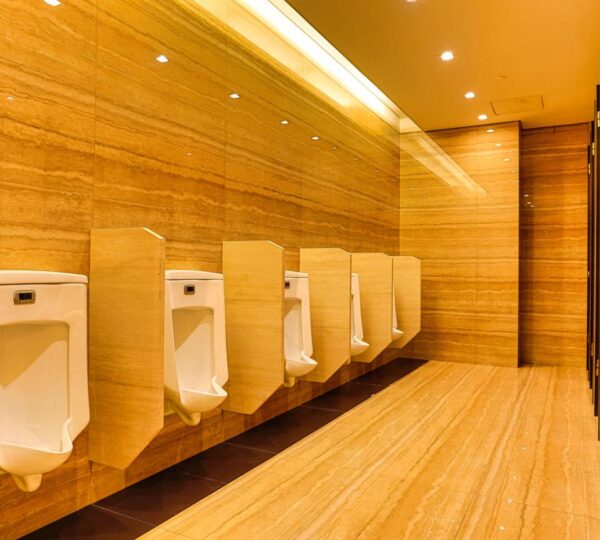
The primary objective behind these designs is to expand the range of options available in public and institutional restrooms. In environments where many people need access to facilities within limited timeframes, congestion can become a recurring issue. Long waiting times are not only inconvenient but can also disrupt schedules in workplaces or public venues that rely on coordinated movement and timing.
By exploring alternative fixtures, designers aim to improve the flow of users through restroom spaces. Increasing throughput, or the number of people who can use the facilities within a given period, is one of the key considerations in high-traffic environments such as transportation hubs, large office complexes, and event venues.
A central aspect of these designs is the attempt to allow use in a standing or semi-standing position, depending on the model. This approach is intended to reduce the need for full contact with surfaces that are frequently used by multiple individuals. Minimizing contact points is often considered beneficial in maintaining hygiene standards, particularly in public settings where cleaning demands are high.
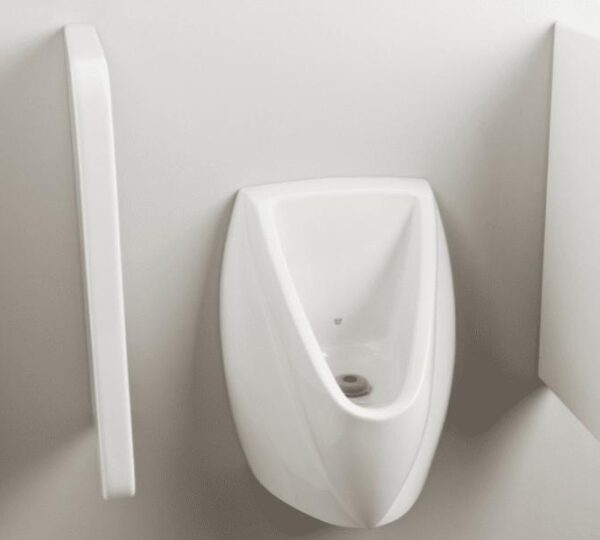
Shared surfaces in restrooms can require frequent maintenance to ensure cleanliness. When designs reduce the level of physical contact required, they may help simplify cleaning processes and improve overall efficiency for facility operators. This does not eliminate the need for regular cleaning, but it can contribute to more manageable maintenance routines.
Ergonomics plays an essential role in the development of these systems. Designers must consider a wide range of factors, including comfort, stability, ease of use, and privacy. The goal is to create a solution that can be used confidently and safely by a diverse group of individuals with different preferences and physical needs.
The shape, height, and angle of the fixture are all important elements in achieving this balance. Proper design helps ensure that use is practical and hygienic, while also reducing the risk of splashing or discomfort. Material selection is another key factor, as surfaces must be durable, easy to clean, and resistant to wear in high-use environments.
Accessibility is also an important consideration. Modern public infrastructure is increasingly expected to accommodate individuals with varying levels of mobility and physical ability. Designers aim to ensure that any new system integrates well with accessibility standards, providing options that can be used comfortably by as many people as possible.
Another factor influencing interest in alternative sanitation designs is environmental sustainability. In large facilities, water usage can be significant due to the high volume of daily restroom use. Some alternative systems are designed to reduce water consumption compared to traditional flush-based toilets.
Even small reductions in water use per individual can lead to meaningful savings over time when multiplied across thousands of uses each day. For organizations focused on sustainability, these efficiencies can contribute to broader environmental goals without compromising functionality.
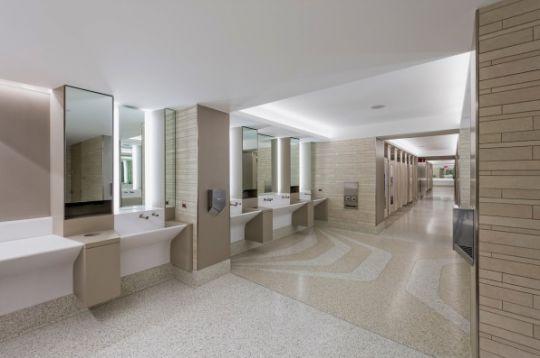
Maintenance efficiency is closely linked to these considerations. Facilities that can be cleaned more quickly or require less frequent deep sanitation can reduce operational costs over time. This is particularly important in large-scale environments where maintenance teams must manage multiple areas simultaneously.
Despite these potential advantages, the introduction of new sanitation designs is not always straightforward. One of the main challenges is user familiarity. People are generally accustomed to traditional restroom layouts, and unfamiliar fixtures can create hesitation or uncertainty.
When users encounter a design they have not seen before, they may be unsure how to use it properly, even if the system is intuitive. Clear instructions and thoughtful design can help address this issue, but it often takes time for new concepts to become widely accepted.
Cultural expectations also play a role in how quickly new systems are adopted. Restroom habits are shaped by long-standing practices, and changes to these norms typically require gradual introduction. In some cases, facilities that introduce alternative designs may use signage, guidance, or phased implementation to help users become more comfortable.
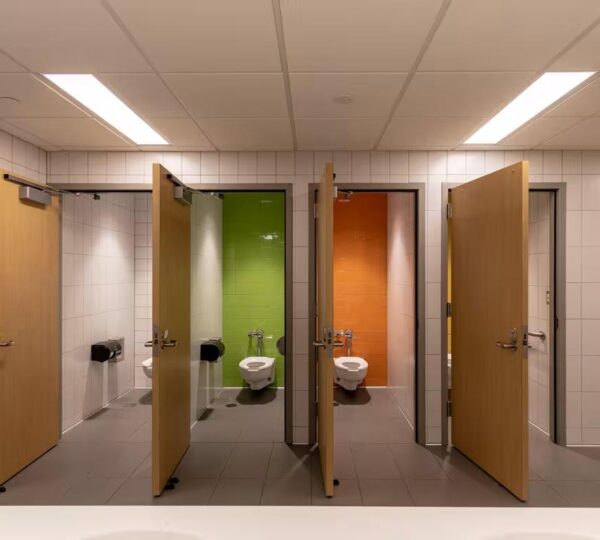
It is also important to recognize that these designs are not universally implemented. Their presence varies depending on location, type of facility, and specific operational needs. In many cases, they remain part of pilot programs, experimental installations, or specialized environments rather than standard infrastructure.
The discussion around these systems is often focused on evaluating their effectiveness, usability, and long-term benefits. Researchers and designers continue to study how such innovations perform in real-world conditions and whether they meet the expectations set during development.
Overall, the exploration of alternative restroom designs reflects a broader trend in infrastructure planning. There is an increasing emphasis on efficiency, inclusivity, and sustainability across all aspects of public and institutional spaces.
Facilities are no longer viewed simply as static environments but as dynamic systems that support human activity. Every component, including restrooms, is considered part of a network that contributes to comfort, health, and productivity.
By examining new approaches and testing different solutions, designers aim to create spaces that better meet the needs of modern users. While not all innovations become widely adopted, each contributes to a deeper understanding of how infrastructure can evolve.
In this context, sanitation design continues to develop alongside other areas of engineering and planning. The goal is not only to improve function but also to enhance the overall experience for those who rely on these facilities every day.
As environments become more complex and demands increase, even the most basic elements of design are re-evaluated. This ongoing process reflects a commitment to continuous improvement, ensuring that shared spaces remain efficient, practical, and responsive to changing needs.

